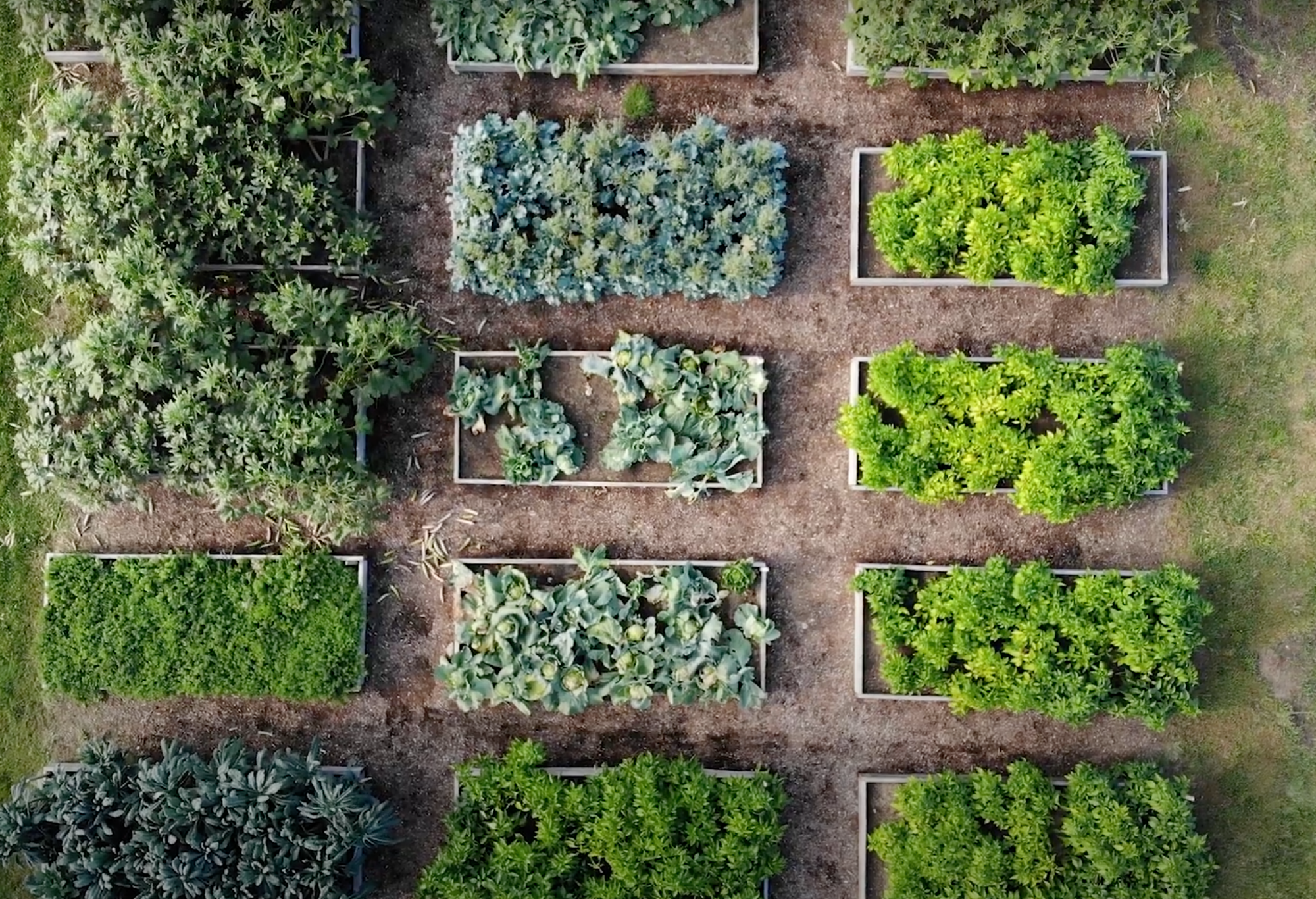
Anyone who knows me will know I am a huge design thinking fan and I love the myriad ways we can apply the framework. I have used design thinking to build a prototype diabetes clinic in Brazil for an international healthcare company. I have used it to guide a group of impact investing advisors, policy advocates, landscape architects, engineers, and urban farmers to build a program for flood (note: not climate) resilient urban farms. I have used it to make a startup business plan. I have used it to develop new ratepayer funded utility program designs. And I have used it to redesign my life, though that’s another story for another day.
What is design thinking? I visited IDEO’s website for a definition, as they are the gold standard and go-to organization for all things design thinking. “What is design thinking? It means stepping back from the immediate issue and taking a broader look. It requires systems thinking: realizing that any problem is part of a larger whole, and that the solution is likely to require understanding the entire system.” — Don Norman”.
When I first learned about design thinking, I heard the classic story about someone at a hardware store shopping for a hammer and single nail. They aren’t buying tools for a construction project, they are buying access to a display of family memories to hang up a framed photo. There’s no way you could realistically know this of course. But design thinkers tasked to learn about the store’s customers can employ a number of tactics to arrive at this or similar insights. And armed with these insights, design thinkers can develop new products, programs, marketing, even strategic plans, that meet this need if it proves to be large enough.
To take it back to my earlier comment, in my project for urban farming for flood resiliency, we realized that there is a mismatch between the lingo our industry uses to describe the problem (climate change) and the lingo our partners/customers use to describe the problem as they experience it (flooding). Once we started talking about flood reduction with green infrastructure, the customer understood our work and how it could help solve a key problem they faced. This insight came from spending a lot of time learning from our community partners. Unsurprisingly, equity and inclusion of local partners and community-centered design thinking go hand in hand. We were able to design a program that met the needs of the sector.
Key tactics that can be used are: ethnographic interviews, market sizing, rapid prototyping and customer input, revenue estimation. Without the splashy name all of that may sound downright boring; it is the foundation of a strong and sustainable organization. Yet the focus that design thinking brings to understand the problems of the people that matter to us means we make stronger connections and stronger impact. With a better understanding of the problem, we are better storytellers and our mission is amplified that much more. And we can be more empathetic partners and more inclusive of our stakeholders. Design thinking does not necessarily break and reimagine entire industries; instead it reframes and reinvigorates. Know what tools are needed and when.
And so, I often ponder what it would mean to bring design thinking to the (big ass) problem of climate change. First, we would see our customers/stakeholders are both everyone and, increasingly, no one (where there is no accountability). We would recognize quickly climate change is not the problem— increased local flooding is, higher electricity bills from running the AC more is, coal fired power plants continuing to be economical is. With these disparate problems, the importance of a decision framework for devising what is most important and who and how to invest resources would be clear. And simply, an alignment on goals. What would change if we could all recite a shared mission statement with regards to climate change? When stopping it is unrealistic, how would our work and personal decisions be different if we were aligned around that goal?
 Laura Brenner Kimes